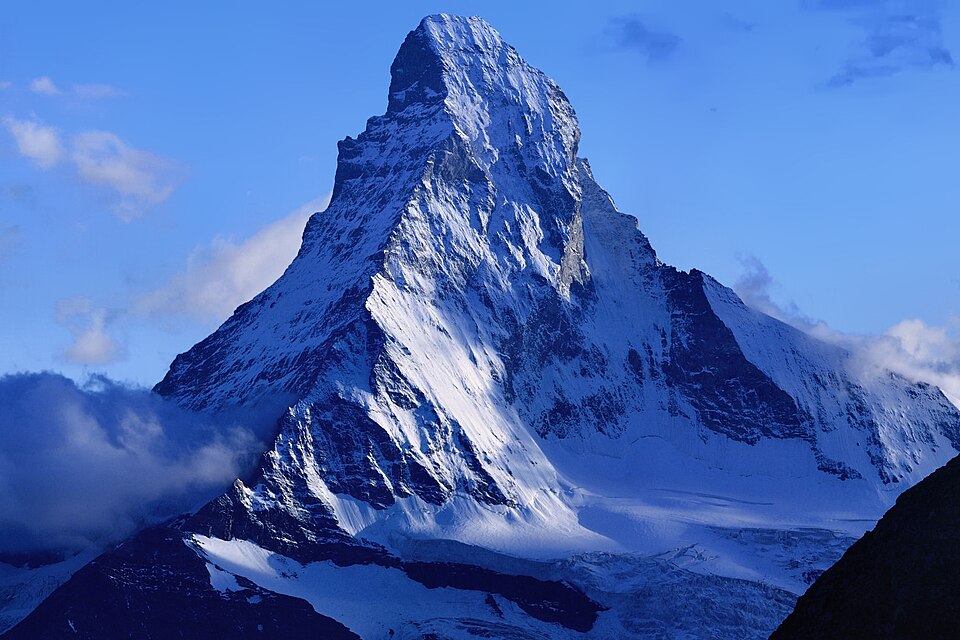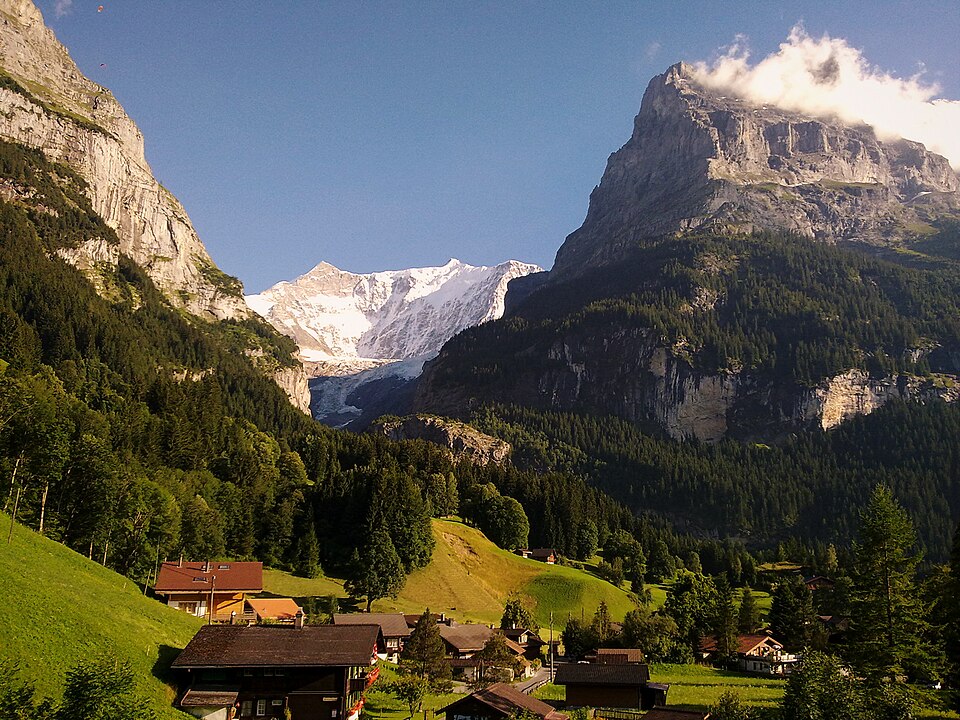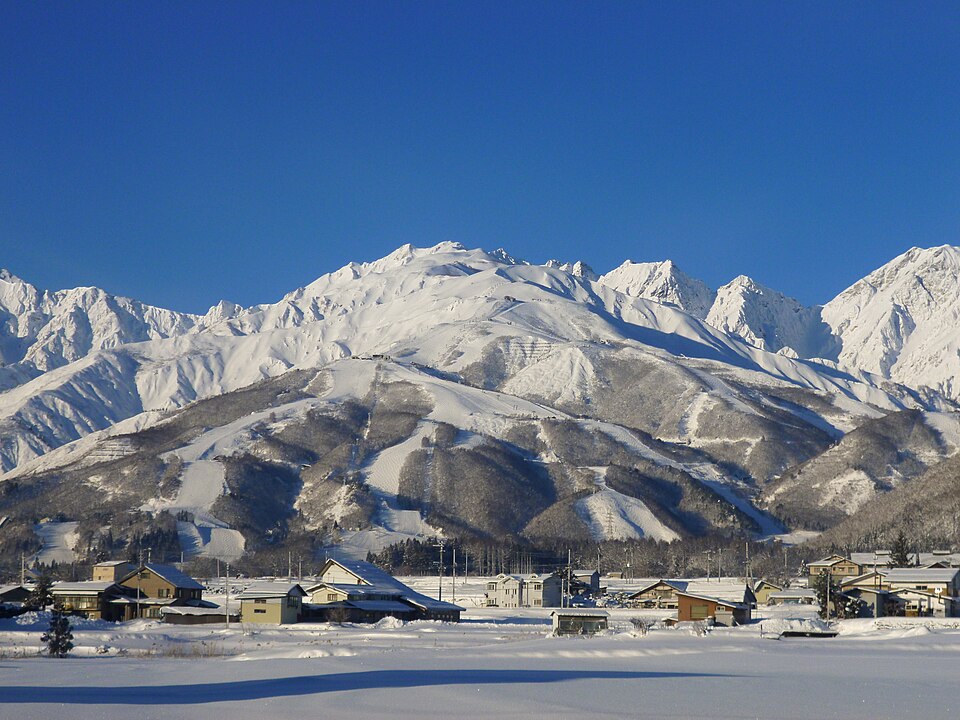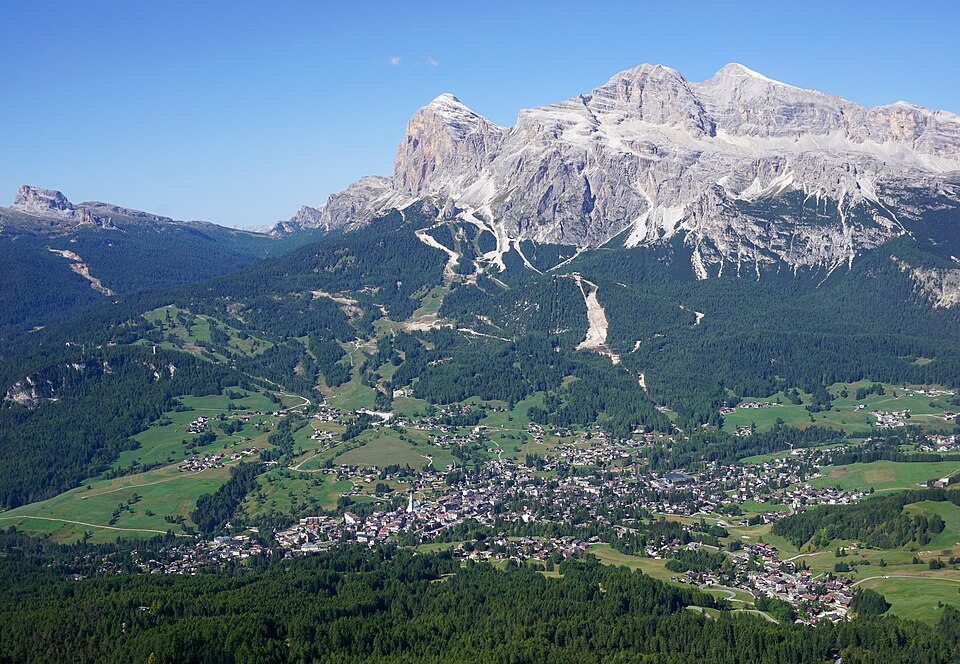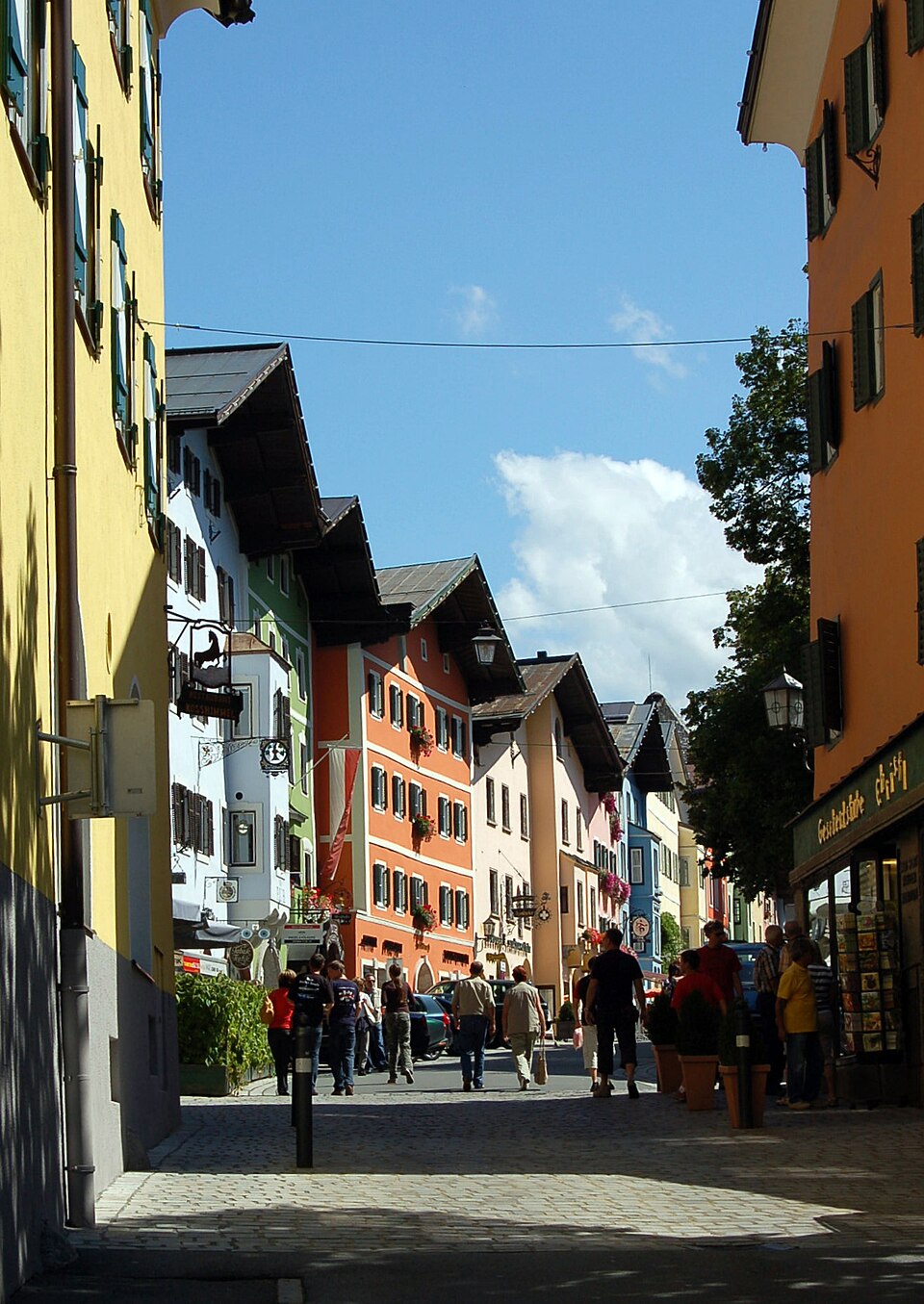
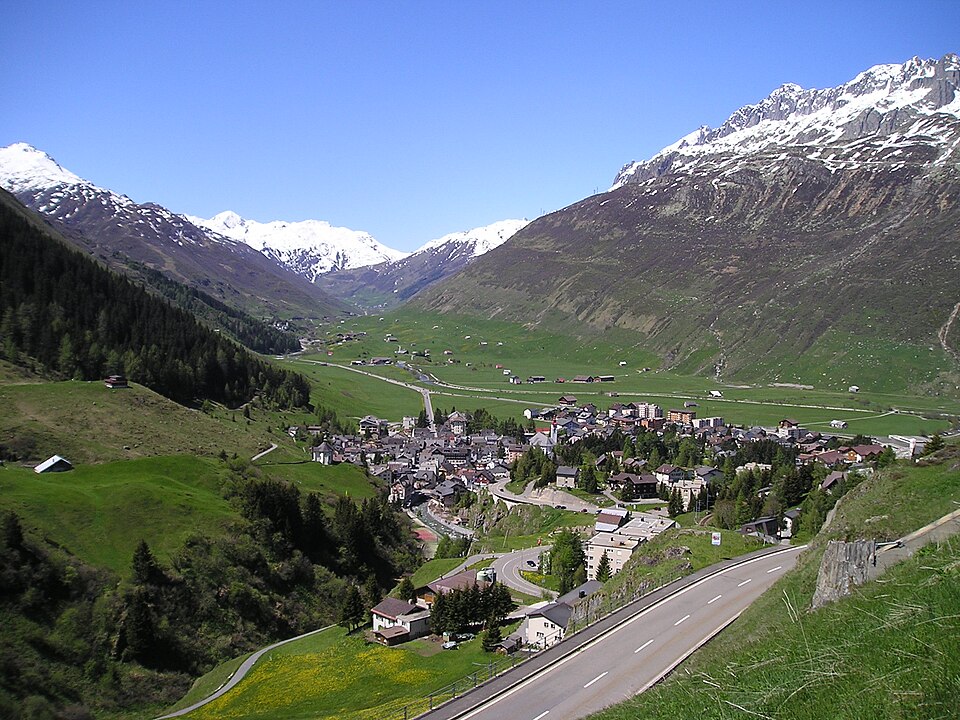
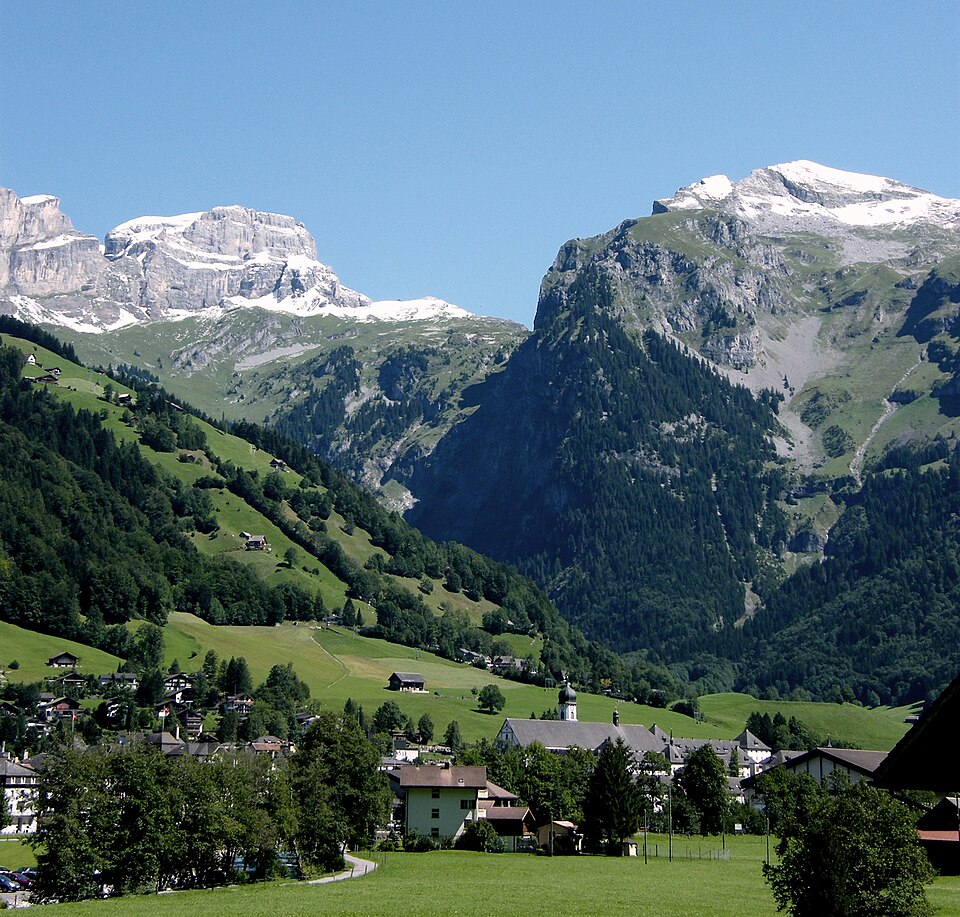
The Alps are home to the world's most iconic ski resorts. From Zermatt's glacier runs beneath the Matterhorn to Chamonix's legendary Vallée Blanche, from Kitzbühel's World Cup Streif to St. Anton's bottomless powder bowls — this is where skiing was born and where it still reaches its peak.
With over 300 resorts across six countries, choosing where to ski can be overwhelming. That's why we built this guide — combining real-time weather data, AI-powered condition scoring, and deep local knowledge to help you find your perfect day on the mountain.
Whether you're a powder addict chasing the next dump, a family looking for gentle blue runs with sunshine, or a freestyle rider hunting the best parks — the Alps have it all. And Ski Kavallerie tracks it all, every day.
The Alps receive between 5 and 15 metres of snow per season depending on altitude and exposure. North-facing slopes above 2,500m typically hold snow from late November through April, while glacier resorts like Zermatt, Saas-Fee and Sölden offer year-round skiing. The key to a great ski trip isn't just picking the right resort — it's picking the right day.
Budget tip: mid-January and early March offer the best value — lift passes drop 20-30% outside school holidays, and snow conditions are often at their peak. Avoid the February school break weeks (varies by country) when prices and crowds peak. For the best powder, target storms that arrive Tuesday-Thursday when weekend crowds haven't tracked it out.
📅 When to Go
The Alps ski season runs from late November to mid-April, with peak conditions typically in January-March. Glacier resorts (Zermatt, Saas-Fee, Hintertux, Sölden) open as early as October and some run through summer. Early season (Nov-Dec) offers empty slopes but limited terrain. Late season (April) brings warm spring skiing with long sunny days — perfect for terrace lunches.
🎒 What to Pack
- ✓ Layered ski clothing (base, mid, shell)
- ✓ Helmet + goggles (mandatory in most areas)
- ✓ Sunscreen SPF 50+ (altitude UV is intense)
- ✓ Hand/toe warmers for cold days
- ✓ Reusable water bottle
- ✓ Avalanche beacon + probe if going off-piste
💡 Pro Tips
Book accommodation in the valley (not the resort village) for 40-50% savings — most areas have free ski buses.
Buy multi-day lift passes: 6-day passes are often cheaper per day than single days.
Download the Ski Kavallerie app before your trip — check daily scores to pick the best resort each morning.
Eat lunch at mountain huts (Bergrestaurants) rather than base lodges — better food, better views, same prices.

Powered by Ski Kavallerie
Real-time data for 385+ locations worldwide
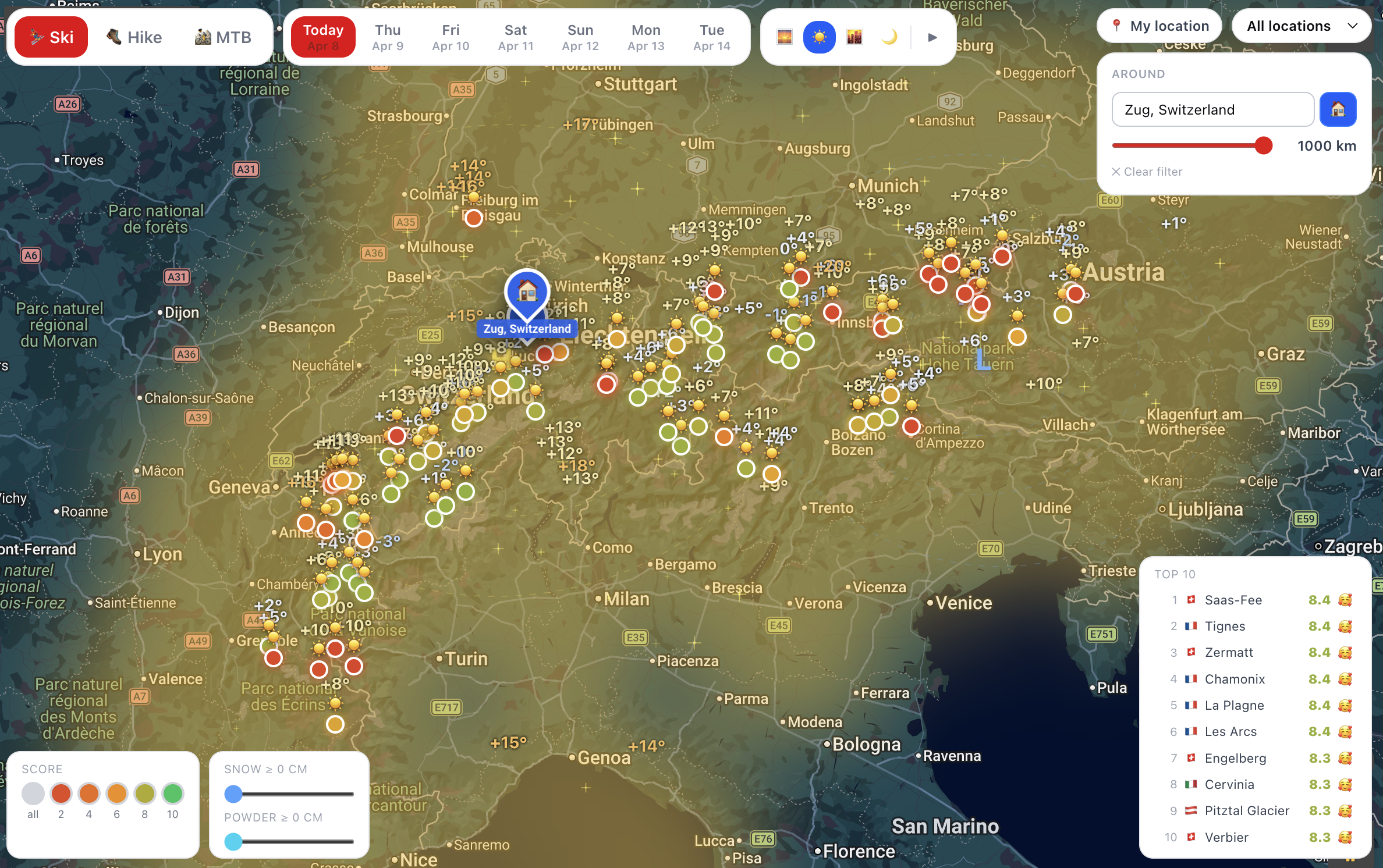
Top Guida Sci Locations
Ranked by community popularity
Iconic Tracks
Legendary routes that define the region
Longest continuous piste in Europe — 7 km, 2,000 m vertical from 3,226 m summit
46° gradient (104% pitch), one of the steepest groomed slopes in the world. Starts with a 265 m illuminated tunnel through the mountain at Scex Rouge. Opened 2023
World Cup slalom — tight, icy turns through the village with 30,000 fans lining the course
1992 Olympic men's downhill — 960 m drop at up to 65° gradient
World Cup slalom course — technical, icy, under floodlights. Kitzbühel's other legendary race
Plan Your Next Adventure
Invite friends, create a trip and let weather scores guide your timing.
Guida Sci by Country
Never Miss a Powder Day
Get real-time weather alerts for your favorite Alpine resorts. Free forever.
Expert Guides
Explore More Guides
All sports, all regions